3 new videos all about slime on our YouTube!
/We have just released 3 new videos all about Slime on our YouTube channel. Special thanks to William for being the video star!
We have just released 3 new videos all about Slime on our YouTube channel. Special thanks to William for being the video star!
Sometimes it can be tricky for kids to understand their difficulties and this can lead to feelings of shame or feeling that there is something “wrong” with them.
We have put together a few useful ways of explaining Developmental Coordination Disorder (DCD)/Dyspraxia to kids, so that they can see their diagnosis not as a disability, but just something that makes them unique. Click on the download link to have a look!
The Autism Research Group (part of City University) have published a new document all about Anxiety in Autism. Have a read here.
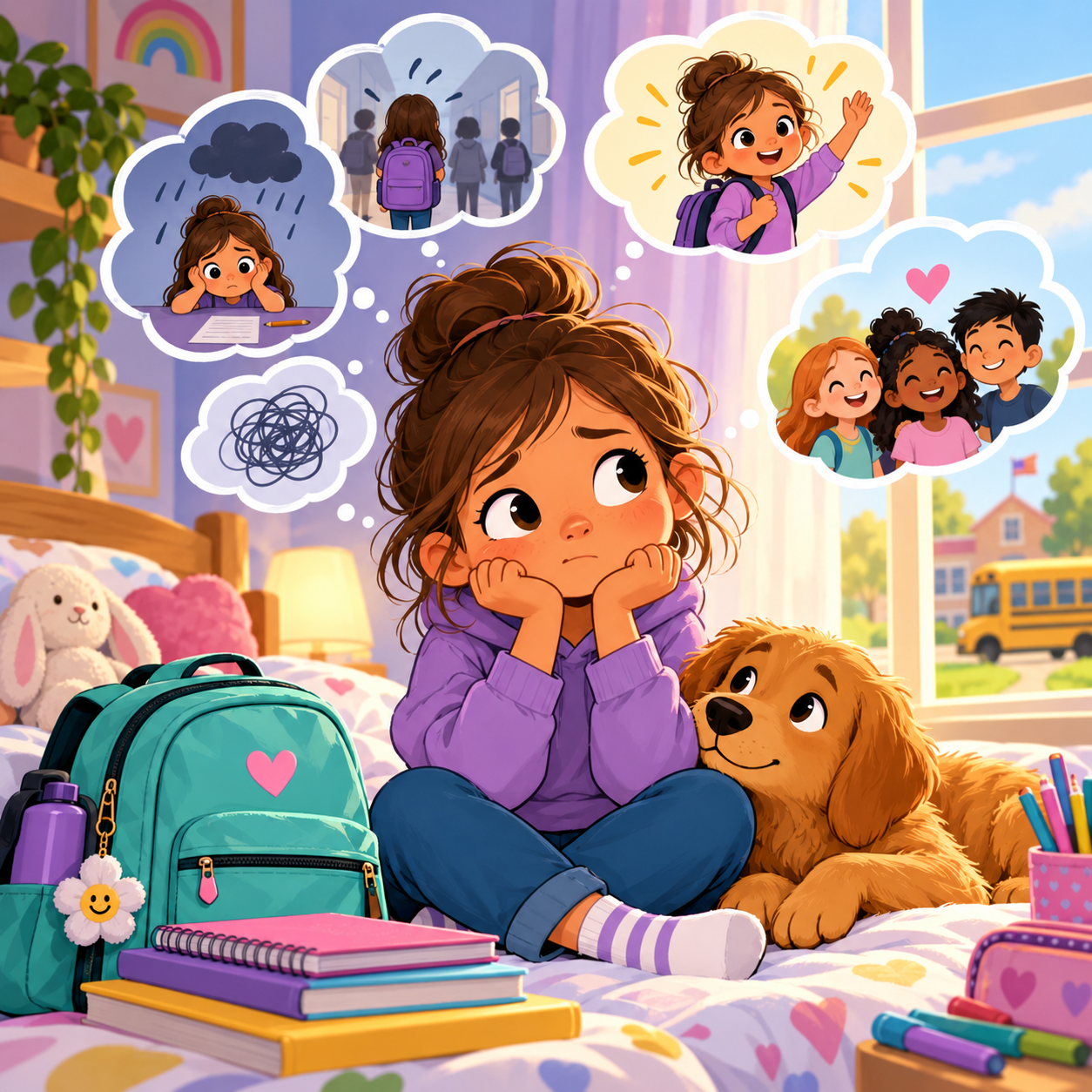
It's very common for autistic children to feel anxious—you're not alone, and neither is your child. About 40% of autistic kids experience significant anxiety, much more than other children. Anxiety might show up differently in autism. Your child might get worried or upset about small changes, unusual sounds, or social situations—not necessarily because they fear embarrassment, but maybe because they find the world unpredictable or confusing.
There are three big reasons why anxiety can be harder for autistic children:
Uncertainty: Autistic children often find unpredictability very stressful and might use routines or repetitive behaviours to cope.
Sensory sensitivities: The world can seem overwhelming to autistic kids due to heightened sensitivity to sounds, lights, textures, or smells.
Trouble recognising feelings: Many autistic children struggle to identify and describe their emotions, making it difficult for them to manage anxiety when it appears.
There are practical things you can do to help:
Make things predictable: Using visual timetables and social stories can reduce anxiety about what's happening next.
Sensory support: Providing safe, calming spaces or sensory tools like stress balls or headphones can reduce overwhelming sensations.
Mindfulness or relaxation techniques: Simple exercises that help your child gently notice and accept their feelings can make anxiety easier to handle.
Professional support: Therapies like adapted Cognitive Behaviour Therapy (CBT) or mindfulness programmes specially developed for autism can be very effective.
Most importantly, remember anxiety is something separate from autism itself, and with understanding and the right support, your child’s anxiety can improve significantly, allowing them—and you—to feel calmer, happier, and more confident.
Demand avoidance is a very real challenge that many parents face with their neurospicy children. Whether it is asking them to put their shoes on, brush their teeth or sit down to eat their dinner, the reactions can be huge and usually completely disproportionate to the request itself.
Read MoreADHD and ASD - a duel diagnosis
Understanding the Complex Relationship Between ADHD and ASD in Children
While having a child with neurodivergence can be a wonderful rollercoaster ride, it is most definitely a rollercoaster. Having a child with ASD can be tricky, as can having a child with ADHD. Both come with an array of wild and wonderful traits and behaviours. But what about those kids who have both ADHD and ASD? That is an entirely different ball game, which can be very confusing, as the behaviours of these two conditions often overlap and conflict, creating a complex mix of new behaviours.
We need to understand how these conditions interact so we can better understand these kids, give them the support they need and enjoy the rollercoaster ride together.
ADHD vs. ASD
Children with ADHD are typically impulsive, hyperactive, and easily distracted. They thrive in dynamic environments but struggle with structure and focus. On the other hand, children with ASD tend to prefer routines, predictability, and often experience discomfort in fast-paced, unpredictable settings. This fundamental difference can lead to unique behaviors when the two conditions coexist.
Your child may be overly organised and obsessive about structure and routines. That’s the ASD. The next minute they’re messy, impulsive, living in the moment, with no thought of what is coming next. Hello ADHD.
Your child may prefer to be on their own and may struggle being around people, needing their own space. Again, typical of ASD. But at other times they might like to be the centre of attention, the performer. They invade people’s personal space, they’re the “class clown”, telling the same joke again and again because they got a laugh. ADHD.
The ASD brain often hates too much noise and is easily overwhelmed in busier places. Your child can’t concentrate because of all the noise. At the same time, the ADHD brain needs something to help it concentrate, your child may listen to music or TV on full volume or constantly make noises.
Here lies the battle between the diagnoses: The autistic brain is constantly striving for control, structure and organisation, while the ADHD brain is chaotic, impulsive and spontaneous. the ADHD is often louder, but the ASD is constantly fighting against it. Both want centre stage.
A child with both ADHD and ASD might have difficulty following instructions (common in ADHD) while simultaneously becoming highly anxious or distressed when routines change unexpectedly (typical of ASD). This combination can result in meltdowns or withdrawal, making it hard for parents to identify whether the root of the problem is impulsivity, anxiety, or both.
The impulsivity of ADHD may push a child to act without considering consequences, while the rigid thinking common in ASD makes it difficult for the child to adapt to unexpected outcomes. For example, if a child with ADHD runs impulsively into a new situation, their ASD might make it hard for them to handle the sensory overload or changes that come with it.
These overlapping and conflicting behaviours often create frustration, not just for the child, but for parents too. The impulsivity might seem to undermine efforts to establish routines, while the need for routine might make managing impulsive behaviours more stressful.
A few tips…
Consistent Routine with Flexibility: Create a structured routine that offers some flexibility. For children with ADHD and ASD, having a predictable environment helps reduce anxiety, but including room for unplanned activities or breaks can help manage impulsivity.
Clear and Simple Instructions: Both children with ADHD and ASD benefit from clear, step-by-step instructions. Visual aids, schedules, and checklists can also help them stay on task without overwhelming them.
Address Sensory Needs: Be aware of sensory sensitivities that may trigger certain behaviours. For example, loud noises or crowded spaces might be especially overwhelming for a child with ASD, but an impulsive child with ADHD might not recognize when a situation is too much until they’re overwhelmed.
Positive Reinforcement: Celebrate small wins and praise effort as well as success. Children with ADHD and ASD often face a lot of challenges, so focusing on their strengths and efforts can boost their confidence and motivation.
A final thought
Managing both ADHD and ASD requires patience and understanding, as these conditions can pull your child in different directions. By recognising the unique challenges posed by both, you can create a supportive environment that helps them thrive. Every child is different and we know what works for one may not work for another, but with the right strategies in place, you can help your child navigate the complexities of both ADHD and ASD and become a superhero.
I have been going into schools for nearly 15 years and can still probably count on only one hand those that have really stood out as being fantastic at fully understanding and supporting neurodivergence and behaviour. Pretty shocking really! This is an open letter to the not quite so fantastic schools...
Read MoreA “Feelings Scale” can be a really simple but highly useful visual tool for helping both a child and those working with them to understand their regulation needs and know how to manage them. It can be stuck up on the fridge at home or on the wall at school.
Read MoreWe have created 6 new videos in our new series called Five Minute Fine Motor Fun! Have yourself some fun with:
Friendship Bracelets
Hungry Man (a very hungry and friendly tennis ball!)
Playdough peas
Playdough hide and seek
Threading
Playdough hedgehogs
Watch all the videos in our YouTube playlist here.
Research shows that the frontal lobe, the part of the brain responsible for decision-making, impulse control and managing emotions, develops much slower in children with ADHD and often is actually smaller in an ADHD brain than in the brain of a neurotypical child.
Read MoreWe are proud to make available our OT Rosie’s “Making Sense of Sensory Behaviour” Webinar as a digital download. This is the first product in our new store and the first of many to come!
The webinar will explore the (often confusing) world of sensory processing and sensory and emotional regulation, so you can get a better understanding of your children’s behaviour and the underlying reasons for them.
We will explore the 8 different senses, discussing how difficulties processing sensory information can affect our children.
We will then go on to discuss many practical strategies and activities that you as parents can do with your children to help them with their sensory and emotional regulation and achieve their superhero potential.
A lot of you may not know that as well as being a children’s OT, I am also mummy to two neurodivergent children. This helps massively with informing my practice when working with neurodivergent kids and their families and I really believe has made me better at my job.
Living with neurodivergence is wonderful, exhausting, frustrating, difficult and sometimes it feels never-ending. Often I feel like I am walking on egg shells, not knowing whether we are going to have a good day or a bad day and I spend a huge amount of time defending and advocating for my children, who often can’t advocate for themselves.
I have written the following article from my perspective as a parent, standing in solidarity with the other parents who are on this rollercoaster ride!
Read MoreIntroducing a special meditation series tailored for children facing fear, anxiety, and sensory challenges, featuring easy-to-use exercises like Tummy Breaths, Colour Meditation, and Seaside Visualisation. These meditations are designed to guide kids towards tranquility and self-awareness, available for use at home or school.
Read MoreDiscover the fascinating world of interoception, our body's unique ability to understand and respond to its internal state for optimal health and comfort. Learn how this 'eighth sense' functions like a network of internal messengers, guiding children to recognize and react to hunger, thirst, temperature, and emotions. However, interpreting these signals can be challenging for some children, leading to difficulty in managing basic needs and emotions. Find out how to nurture this skill in your child, transforming them into superheroes of self-awareness and emotional regulation. For more insights and guidance on interoception and child development, explore the resources and expert advice available at TherapySPOT.
Read MoreWhile everybody is stuck at home it’s a good time to practise those cutlery skills. Grab a banana and follow along!
Some children will really benefit from the use of a visual structure to help them cope with the change from school education to home education. Here are some more symbols to go along with the previous set from this post.
As Therapists, we often use the Zones of Regulation to help children cope with their feelings and body sensations. Here is a starter pack for you to use with your child at home.
Read MoreImagine if you woke up tomorrow and all sounds, smells, tastes, sights and touch sensations were amplified..how might you feel about the world around you and react to the people in it? This article paints very simply what children with sensory processing difficulties go through on a daily basis.
Read MoreThis is a really interesting article. Mindfulness is the practice of being aware of our thoughts, feelings and bodily sensations while not judging them. It therefore makes a lot of sense to use this practice with children who are having difficulty understanding what’s going on inside them.
Read MoreSome children need that little bit of help to calm them down and keep them regulated so that they can engage, focus, learn and play. Massage can be a quick and easy way to bring children down if they are running too high. Deep pressure is calming for the brain and can help children more easily make sense of their surroundings and respond appropriately to stimuli. Try incorporating it into your child’s normal routine e.g. as part of getting them dressed, while playing with them on the floor or before bed.
Read MoreThis easy technique only takes a few minutes and can be really effective for children with tactile hyper sensitivity and for those who seek extra input.
Read MorePrivacy Policy | Terms and Conditions: Parent or School